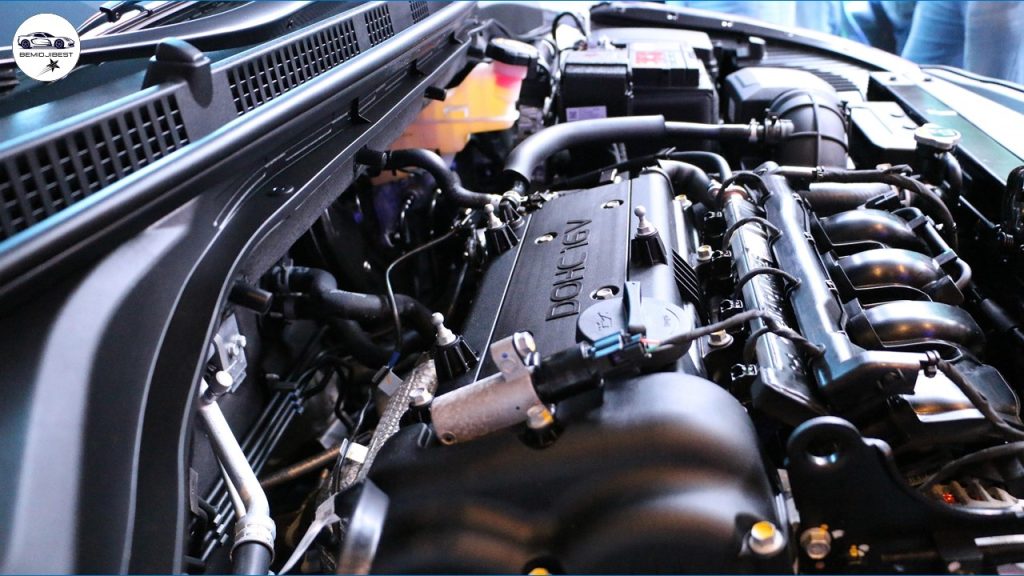
Engine knocking is a problem that many drivers encounter but often misunderstand. Left unchecked, it can cause severe engine damage and lead to expensive repairs. In this comprehensive guide, we will dive into what engine knocking is, its root causes, symptoms, and proven solutions so you can protect your vehicle and maintain peak performance.
What Is Engine Knocking?
Engine knocking, also known as detonation or pinging, occurs when fuel inside the combustion chamber ignites prematurely or unevenly. Instead of a smooth and controlled burn, multiple explosions occur within the cylinder, producing a knocking or pinging noise. This abnormal combustion places excessive stress on pistons, bearings, and cylinder walls, leading to long-term engine wear.
In simple terms, knocking happens when your engine’s air-fuel mixture ignites at the wrong time or in the wrong way.
Common Causes Of Engine Knocking
Engine knocking rarely happens by chance. There are several contributing factors:
-
Low-Octane Fuel
Engines are designed to run on specific fuel grades. Using fuel with a lower octane rating than recommended can cause premature ignition, resulting in detonation.
-
Incorrect Air-Fuel Mixture
A lean mixture—too much air and not enough fuel—creates higher combustion temperatures, increasing the risk of knock.
-
Carbon Deposits
Over time, carbon builds up on pistons, valves, and cylinder walls. These hot spots can ignite the fuel-air mixture before the spark plug fires, creating pinging noises.
-
Faulty Spark Plugs
Using the wrong spark plug type or worn-out plugs can cause inefficient combustion and lead to knocking.
-
Engine Timing Issues
If ignition timing is too advanced, the spark plug ignites fuel too early, leading to knock.
-
Overheating
Excessive engine heat raises combustion chamber temperatures, increasing the chance of detonation.
-
Faulty Knock Sensor
Modern cars rely on knock sensors to detect abnormal combustion. A failing sensor may fail to adjust timing, allowing knocking to continue unchecked.
Symptoms Of Engine Knocking
Identifying the problem early is key to preventing costly damage. Look out for these warning signs:
- Metallic pinging or knocking noises when accelerating or climbing hills.
- Loss of power and poor acceleration.
- Reduced fuel economy, as the engine works harder.
- Check Engine Light illuminated due to sensor feedback.
- Excessive vibration during operation.
How Engine Knocking Damages Your Car
If ignored, persistent knocking can cause:
- Piston damage from repeated impact.
- Cylinder wall scoring leading to reduced compression.
- Bearing wear, which can result in engine seizure.
- Head gasket failure due to excess pressure.
Repair costs can escalate quickly, often leading to complete engine rebuilds.
Effective Solutions To Engine Knocking
Preventing and fixing engine knock requires addressing the root cause. Here are proven solutions:
-
Use the Correct Fuel
Always follow the manufacturer’s recommendation for octane rating. Premium fuel may cost more but protects your engine.
-
Clean Carbon Deposits
Use fuel system cleaners or professional carbon cleaning services to remove buildup.
-
Replace Spark Plugs
Install the correct heat range spark plugs as specified in your owner’s manual.
-
Adjust Ignition Timing
Ensure timing is set correctly according to factory specifications.
-
Maintain Proper Cooling
Check coolant levels, thermostat, and radiator function to prevent overheating.
-
Check the Knock Sensor
If your vehicle has a faulty knock sensor, replace it to restore proper timing adjustments.
-
Regular Maintenance
Routine oil changes, fuel filter replacements, and engine inspections can reduce the risk of knocking.
Preventive Measures For Long-Term Engine Health
- Use high-quality fuel and additives to keep the combustion system clean.
- Service your fuel injectors to maintain proper spray patterns.
- Keep your engine tuned by following the service schedule.
- Avoid aggressive driving that overheats the engine.
- Inspect engine components regularly to detect early issues.
When To Seek Professional Help
While minor engine knocking can sometimes be resolved with simple fixes like higher-octane fuel or spark plug replacement, persistent or severe knocking requires professional attention. A certified mechanic can:
- Conduct a compression test to assess engine health.
- Use diagnostic tools to identify faulty sensors.
- Inspect internal components for physical damage.
Ignoring the issue risks turning a minor problem into a complete engine failure.
Conclusion: Protecting Your Engine from Knock
Engine knocking should never be dismissed as a minor annoyance. It is a clear signal that something is wrong inside your engine. By understanding the causes, recognizing the symptoms, and applying the right solutions, we can prevent costly damage and extend the life of our vehicles.
Whether it’s using the right fuel, maintaining ignition timing, or keeping the engine clean, proactive care is the best defense against detonation.
Leave a Reply